
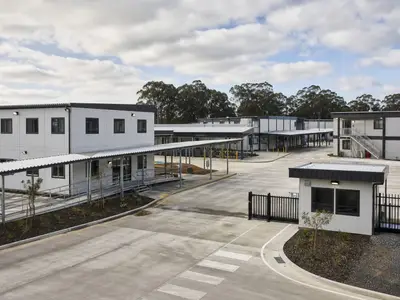
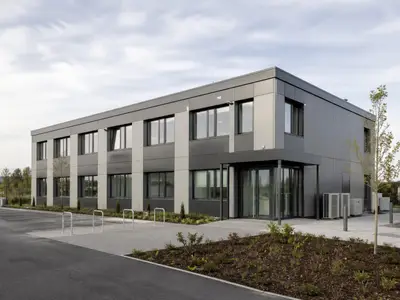
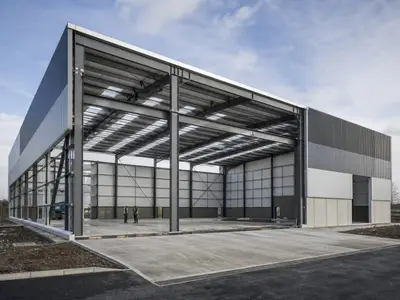
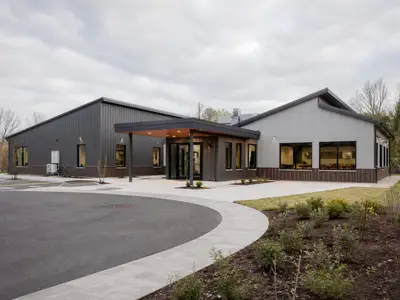
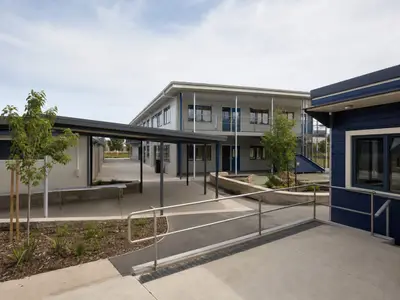
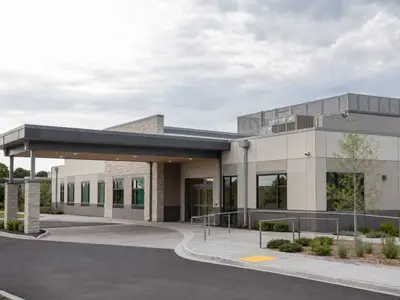
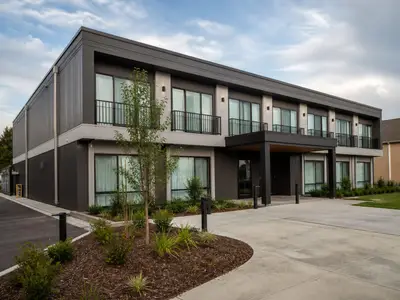
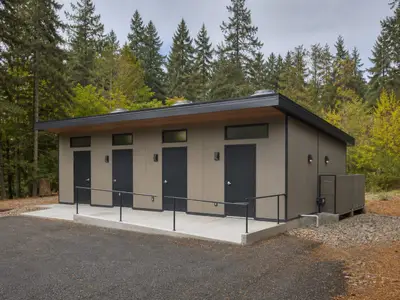
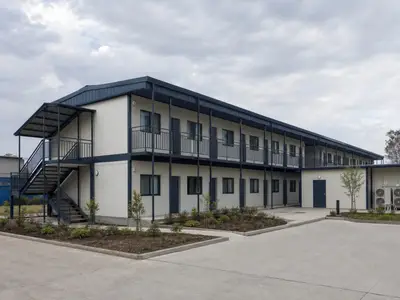
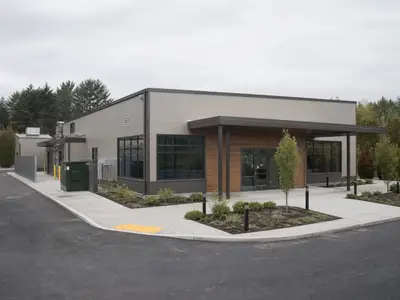
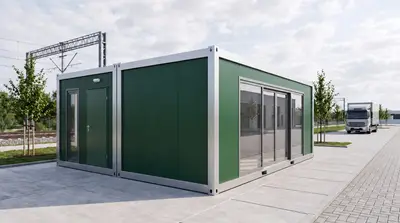
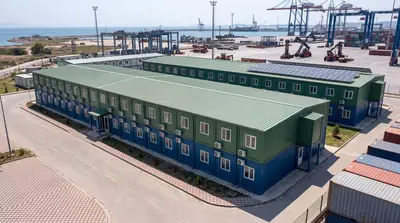

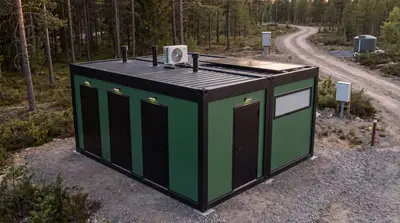
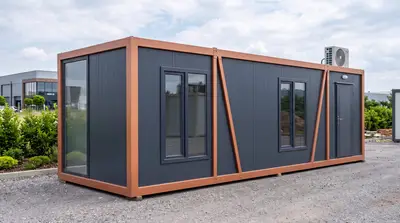









Demountable Container Systems
Flat-Pack Containers Where Transport Distance Drives the Decision
Modular units shipped flat and assembled on arrival, planned around freight economics, bolted assembly sequence, joint execution, component protection, anchorage, and repeated deployment.
- Planning basis
- Quantity, destination, freight route, and units per load
- Assembly model
- Bolted and interlocking components raised with hand tools
- Delivery model
- Flat-packed shipment, site assembly, testing, and anchorage
Flat-Pack Containers Where Transport Distance Drives the Decision
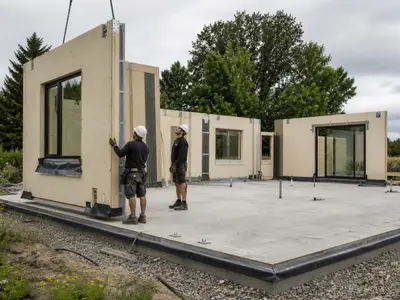
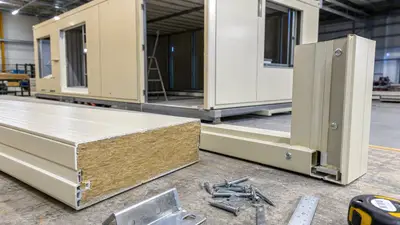
A flat-pack container is the same building broken down into panels, frame members, and fixings, packed flat, and assembled at destination. The construction and specification match an assembled unit; what changes is where the final assembly happens and how many units fit on a load.
The advantage becomes decisive on long overland routes, sea freight, and projects in remote locations. Energy, mining, road, dam, and airport programmes frequently move accommodation and facilities across borders, and shipping several flat-packed units in the space occupied by one assembled unit changes the delivered cost rather than the list price.
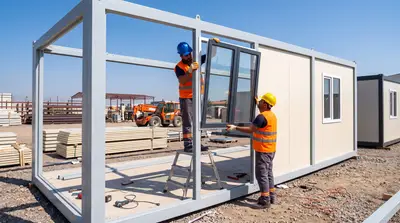
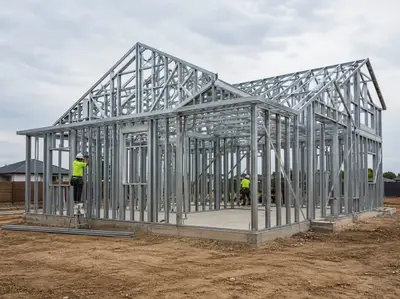
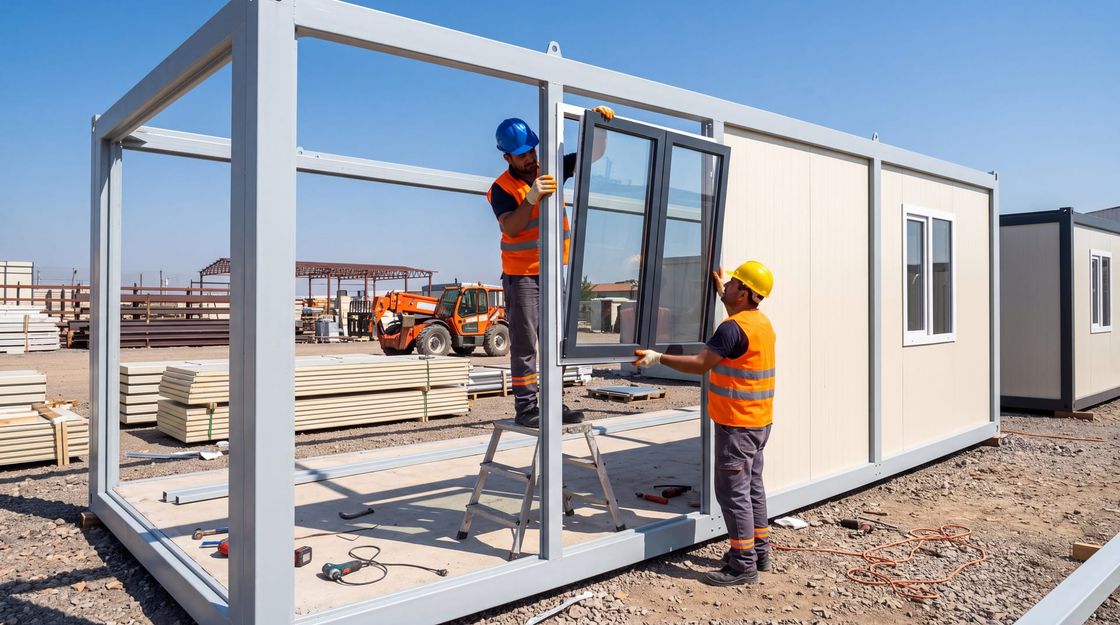
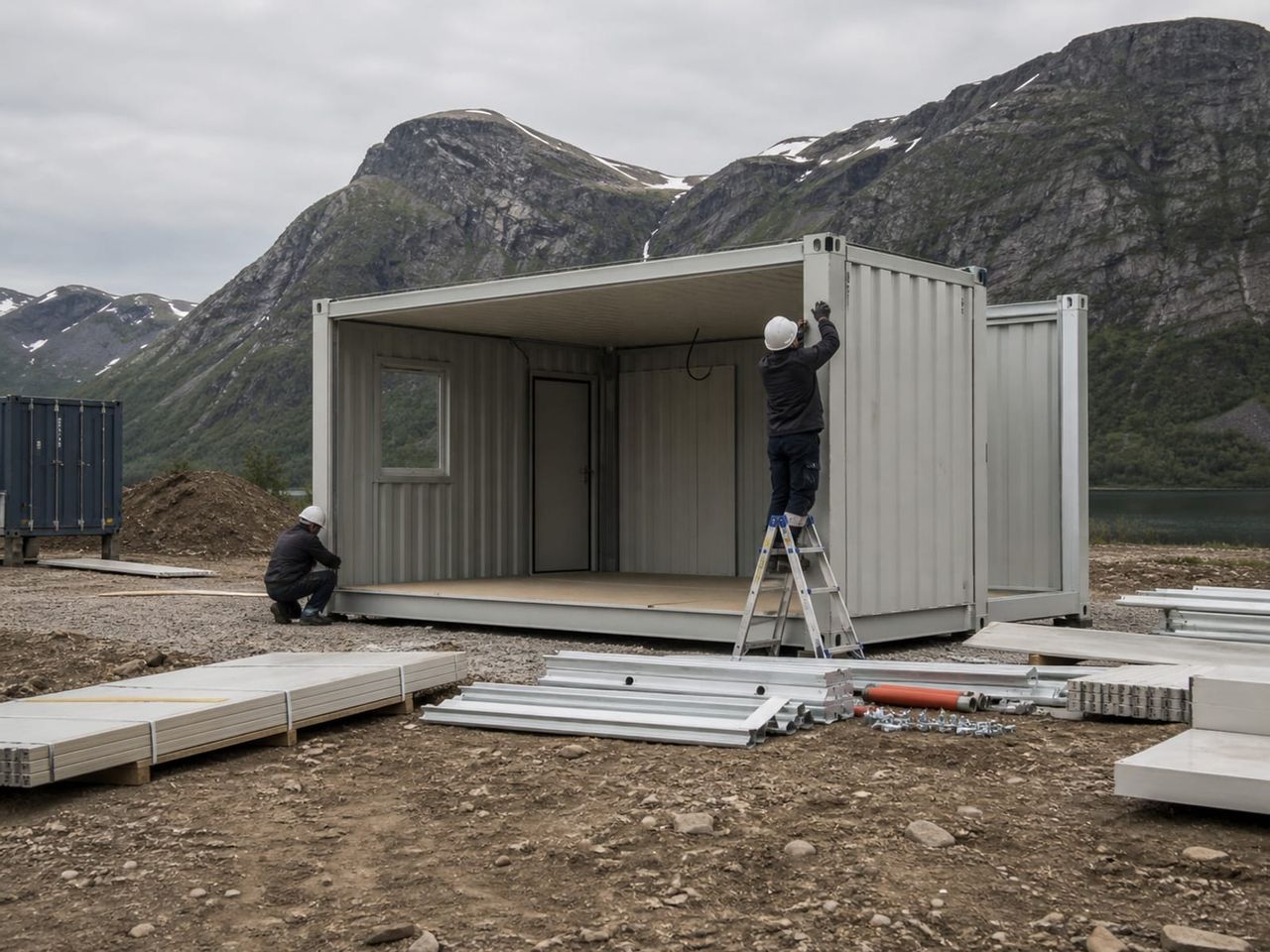
Assembly relies on bolted and interlocking connections rather than site welding, so a small trained crew can raise a unit with hand tools and no hot work permit. The same connections allow clean dismantling, which is what makes moving units between project phases realistic.
Many more units per load
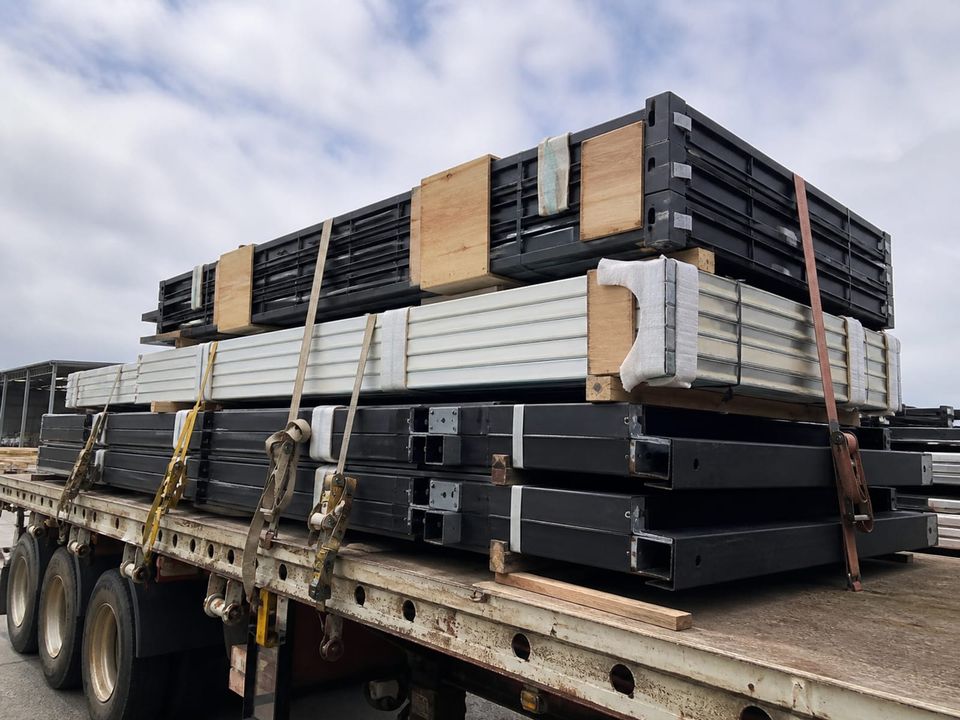
Because panels and frame members travel flat, a single trailer or shipping container carries several units instead of one, which is where the saving appears on long routes.
Bolted and interlocking assembly
Components are joined with bolts and locating profiles rather than site welding, so a small crew can raise a unit with hand tools and no hot work permit.
Dismantled and reused
The same connections that allow fast assembly allow clean dismantling, so units can be flat-packed again and shipped to the next phase of a programme.
Assembly Sequence of a Flat-Pack Unit
The sequence matters as much as the components. Squareness established early carries through every panel, and a joint sealed out of order is difficult to correct afterwards.
- 01
Base Preparation
Levelled pads, slab, or prepared bearing points set out to the unit grid, with drainage and service positions agreed before the load arrives.
- 02
Unloading and Sorting
Panels, frame members, and fixings unloaded and laid out in assembly order, with a check against the packing list before work starts.
- 03
Base Frame
Chassis members bolted and squared on the prepared bearing points, with levels verified before any vertical element is raised.
- 04
Corner Posts and Frame
Corner posts and top frame bolted into position, establishing the dimensional accuracy that every subsequent panel depends on.
- 05
Wall Panels
Insulated panels located into the frame profiles, sequenced so that door and window panels land in their planned positions.
- 06
Roof and Sealing
Roof panels fixed with the seam arrangement sealed, edge trims fitted, and falls checked before the unit is considered weathertight.
- 07
Services Connection
Pre-wired components joined, distribution board energised, circuits tested, and any plumbing connected and pressure checked.
- 08
Anchorage and Handover
Unit fixed to the base against wind uplift, unit-to-unit connections made where combined, and documentation issued at completion.
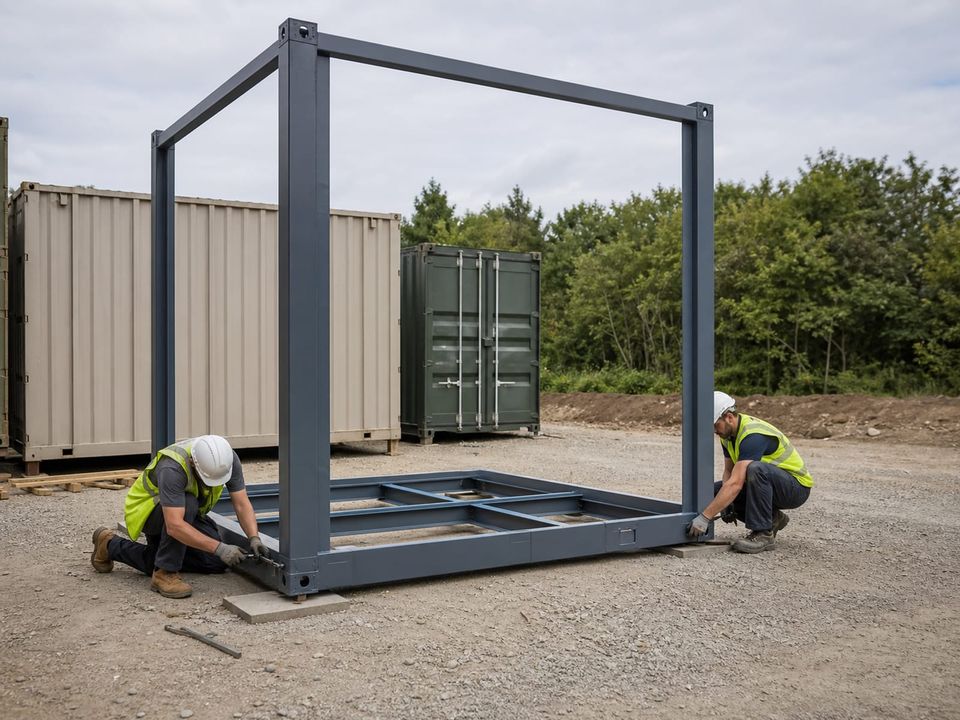
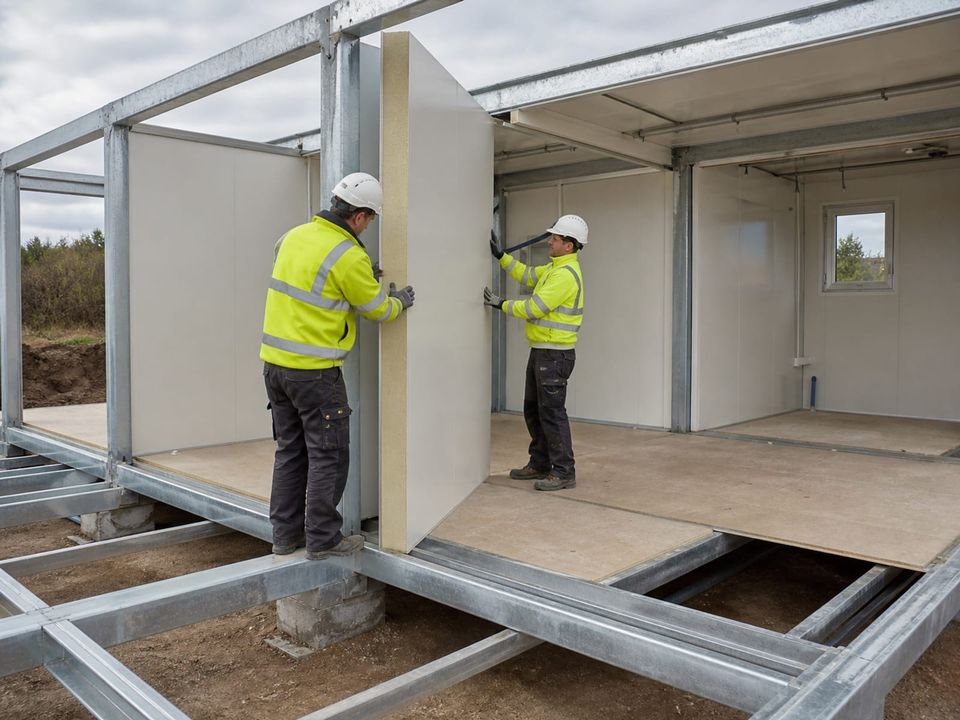
Decide Who Assembles, and Prepare the Base Before the Load Arrives
The brief should record the number of units, the destination, the freight route, the units achievable per load, and the assembly arrangement. Flat-pack only pays when the transport saving exceeds the cost and risk of assembling at destination, so those figures should be compared before the method is chosen.
Assembly responsibility should be explicit. Whether units are erected by the supplier, by a supervised local crew, or by the client's own team changes the documentation, the training, the tools supplied, and where responsibility sits if a unit does not perform as specified.
Base preparation is the most common cause of delay on arrival. Levelled bearing points set out to the unit grid, cured foundations, drainage positions, and service routes should all be complete before the load lands, because a flat-pack delivery cannot simply be placed and left like an assembled unit.
Weathertightness depends on execution. Every joint made on site was made in a factory on an assembled unit, so joint profiles, seals, roof seam arrangement, and penetration detailing must be carried out as specified. Assembly documentation and inspection hold points are worth agreeing in the contract.
Freight Saving, Assembly Quality, and Reuse
The value of a flat-pack programme depends on transport economics, assembly discipline, joint execution, component protection, anchorage, and how well units survive repeated deployment.
Transport economics
The advantage is measured in units per load, not in unit price. On long overland routes or sea freight, shipping several flat-packed units in the space of one assembled unit changes the delivered cost materially.
Assembly quality on site
A flat-pack unit is only as good as its erection. Sequence, squareness, torque where specified, panel seating, and sealant application at joints determine whether the finished unit performs as designed.
Weathertightness at joints
Every joint made on site is a joint that was made in the factory on an assembled unit. Joint profiles, seals, roof seams, and penetration detailing need to be executed as specified rather than improvised.
Component protection in transit
Panels, glazing, and coated members travel unprotected by a structure. Packing method, edge protection, load restraint, and handling on arrival determine how much damage shows up at assembly.
Anchorage and stability
A light unit assembled on site still has to resist wind uplift and overturning. Base fixing, anchorage detail, and any temporary bracing during erection should be defined rather than left to the crew.
Reuse and component tracking
Repeated assembly and dismantling wears fixings, seals, and panel edges. A defined inspection list, replaceable seal specification, and spare component stock keep units serviceable across several deployments.
What Shapes a Flat-Pack Container Quotation?
A meaningful quotation begins with an agreed quantity, destination and freight route, unit specification, assembly responsibility, site preparation, and packing scope. Compare proposals on delivered and assembled cost rather than unit price alone.
01Quantity and destination
Number of units, delivery location, route, freight method, customs requirements, and the units achievable per load.
02Unit configuration
Dimensions, internal layout, openings, partitions, combination arrangement, and whether stacking is required at destination.
03Envelope specification
Panel core and thickness, facing, coating system, roof arrangement, floor build-up, glazing, and door specification.
04Assembly responsibility
Who erects the units, supervision provision, tools and equipment supplied, training, and the assembly documentation issued.
05Site and exposure
Ground conditions, base preparation, wind and snow actions, corrosion category, access, levelling, and anchorage design.
06Services scope
Pre-wired components, distribution, lighting, sockets, plumbing where included, connection method, testing, and certification.
07Packing and protection
Packing method, edge and glazing protection, load restraint, packing list, spare fixings, and damage reporting procedure.
08Commercial boundaries
Allowances, exclusions, approvals, warranties, documentation, spare parts, reuse expectations, and change procedures.
Build a clear, comparable project scope.
Compare Delivery Methods and Uses
Sandwich Panel Containers
Compare with fully assembled delivery where transport distance and access do not govern the decision.
Office & Site Containers
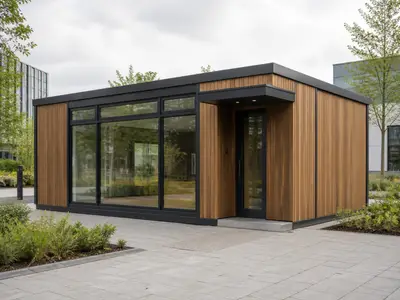
Apply the same construction to project offices, meeting rooms, and site management facilities.
Dormitory Containers
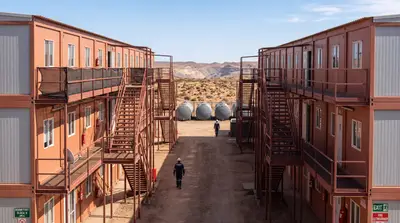
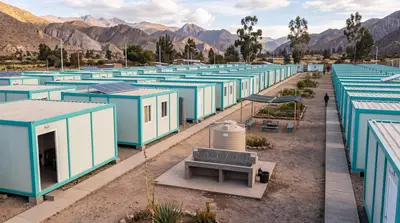
Ship accommodation capacity to remote camps where every load counts against the delivered cost.
Custom-Design Containers
Adapt dimensions, layout, openings, and finishes where a standard configuration does not fit the brief.